
Industrial equipment moves through global supply chains every day. These shipments often carry high value, are oversized, and require strict safety measures. Companies rely on Full Container Load Service to keep these heavy assets secure from the factory to the final site. This service reduces cargo handling and gives shippers complete control of the container. It also offers predictable timelines, which matters when equipment must arrive before installation teams mobilize. Businesses use FCL to maintain stable production schedules and protect costly machinery from damage at high-traffic ports.
Why Container Selection Matters
Choosing the correct container is one of the first steps in equipment logistics. Shippers often select 20-foot or 40-foot containers for standard machines. However, industrial equipment frequently requires high-cube units for additional vertical clearance. Some items require open-top containers for loading from above, which is common for CNC machines, mold bases, and industrial pumps. According to Maersk data, high-cube containers account for nearly 40% of FCL bookings for machinery shipments. Selecting the correct configuration prevents loading delays and minimizes the risk of improper weight distribution.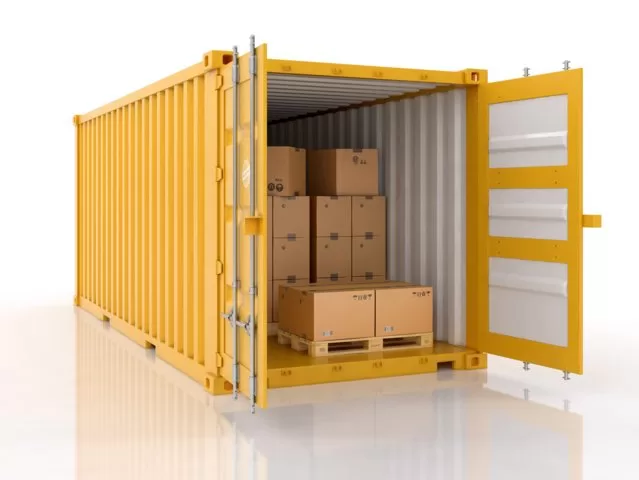
Securing Cargo for Safe Transit
Industrial cargo must travel safely over long ocean routes. Proper securing prevents shifts that may damage internal components. Many manufacturers use steel braces, wooden blocking, and vibration-absorbing pads. These methods follow standards such as the CTU Code issued by the IMO and ILO. Forwarders who specialize in Full Container Load Service often conduct on-site loading supervision. They confirm the container floor rating and ensure lift points align correctly. Good security practices reduce insurance claims and avoid project downtime.
Managing Weight and Center of Gravity
Heavy machinery creates unique challenges in weight control. Ocean carriers enforce strict weight limits, and violations can lead to rejected containers or additional fees. Industrial equipment often has an uneven center of gravity. Therefore, loaders must position heavy components near the container’s midline. A forklift or crane with sufficient capacity must be available during loading and unloading. In many cases, companies hire a third-party rigging team to coordinate safe equipment handling. Effective weight management keeps the cargo stable and prevents structural stress on the container.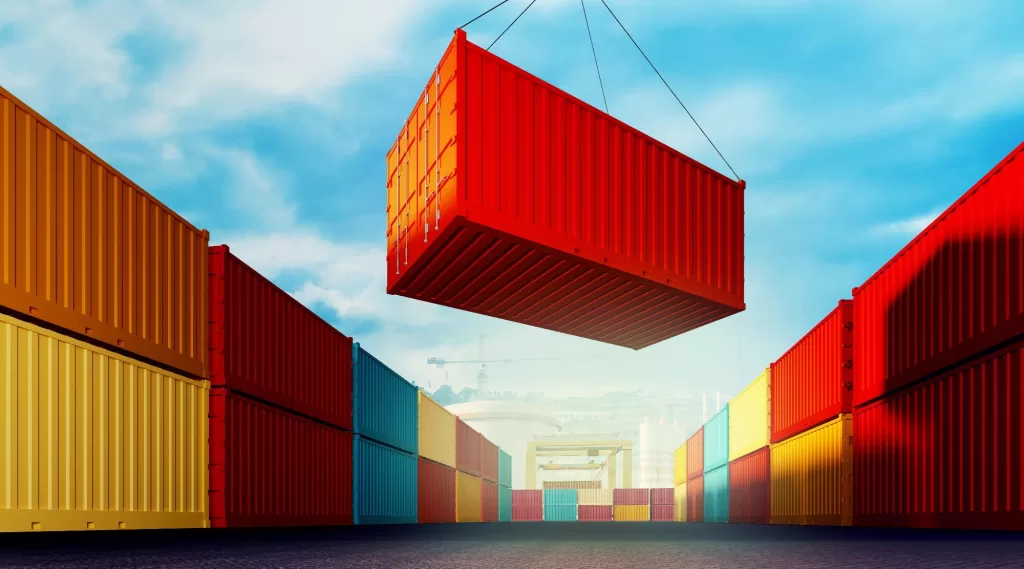
Documentation and Compliance Essentials
International equipment shipments require precise documentation. A Full Container Load Services provider supports the creation of packing lists, commercial invoices, HS codes, and safety declarations. Machinery often falls under special trade regulations depending on its use and power rating. For example, electrical equipment must meet UL, CE, or IEC standards before export. Missing documents can delay customs clearance, especially in markets such as the EU and the U.S., where inspections are common. Accurate paperwork ensures smoother transit and prevents costly storage fees at destination ports.
Transit Monitoring and Shipment Visibility
Industrial companies expect real-time visibility for high-value assets. Many carriers now offer GPS-enabled container tracking that displays location, route, and estimated arrival time. Some services include temperature and shock monitoring, which helps detect improper handling. These tools support FCL shipments by delivering continuous transparency to procurement teams and project managers. They also allow companies to plan installation crews more accurately. For example, a construction firm may schedule crane rental and installation labor only after confirming the container’s arrival window. Reliable visibility improves operational efficiency across the entire supply chain.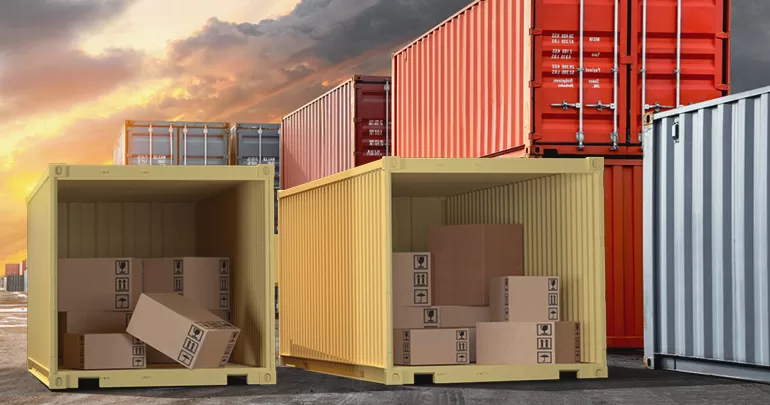
Cost Factors and Efficiency Gains
Full Container Load Service is often the preferred choice when shipments exceed 10-12 cubic meters, according to industry benchmarks from global freight forwarders. FCL protects equipment from the delays common in LCL consolidation. It also reduces the risk of external contamination that might affect sensitive machinery. Many businesses gain cost advantages by optimizing their loading plans. They combine multiple components, place spare parts around the main machine frame, and maximize usable space. These strategies help reduce the total freight cost per unit while maintaining shipment security.
Final Considerations for Full Container Load Service
FCL Service offers one of the safest and most predictable ways to transport industrial equipment. Companies gain complete control of the container, simplified handling, and better protection for high-value assets. When teams select the correct container type, follow proven securing methods, maintain documentation accuracy, and use tracking tools, they reduce delays and lower risk. For organizations managing machinery installations or factory expansions, a well-planned FCL strategy is essential to the success of the project.