
Improving Productivity with PLC-Controlled Pleating Equipment
Understanding PLC-Controlled Pleating Equipment
PLC-controlled pleating equipment utilizes programmable logic controllers (PLCs) to automate the pleating process. A PLC is a type of computer that automates specific tasks, ensuring that pleats are consistently formed with minimal human intervention. This system manages crucial pleating variables such as speed, depth, and spacing, providing precise control over each pleat.
Unlike traditional systems, which require manual adjustments for each batch, this system enables rapid reprogramming to switch between different pleating designs. This automation reduces the time spent on adjustments, lowering labor costs and speeding up production. Moreover, it allows for a more flexible manufacturing process that can handle multiple fabric types and pleating patterns with ease. By integrating PLC-controlled pleating equipments, manufacturers can maintain high precision across different fabric types, speeding up and improving the reliability of the production process.
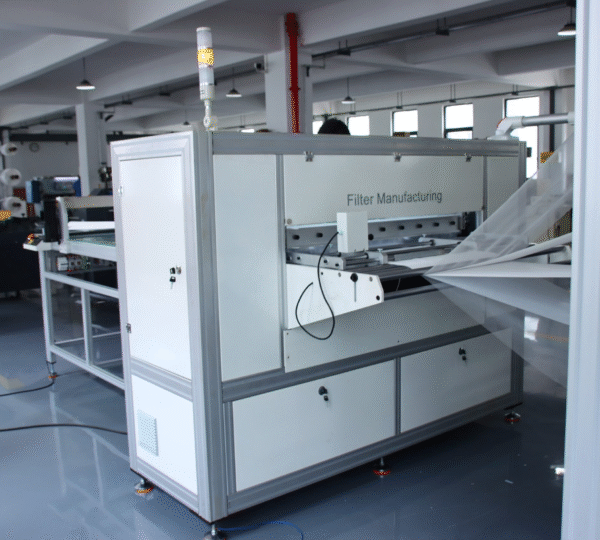
The Role of Electronic Pleating Machines in Enhancing Productivity
Electronic pleating machines, when paired with PLC-controlled systems, significantly increase production speed. These machines are equipped with sensors that monitor the pleating process in real time, enabling the system to adjust settings automatically. For example, the system can adapt pleat depth, tension, and fabric-handling parameters based on the fabric’s type or thickness.
This real-time adjustment capability minimizes human error and speeds up the pleating process. In traditional systems, operators must manually adjust settings for each new fabric, which is time-consuming and prone to inconsistencies. By automating these functions, the electronic pleating machine reduces setup time and enables faster transitions between production runs.
Moreover, the PLC-controlled pleating equipment ensures uniform, consistently high-quality pleats, which are essential for industries that require precise fabric designs, such as fashion and upholstery.
Increased Production Speed with PLC-Controlled Pleating Equipment
One of the standout advantages of the PLC-controlled pleating equipment is its ability to increase production speed. With manual pleating systems, operators must frequently stop to adjust settings, check pleat accuracy, or address fabric tension issues. These stops result in downtime, reducing overall productivity.
PLC-controlled systems eliminate the need for frequent manual adjustments. Once set, the system operates continuously, producing high volumes of pleated fabric with minimal interruptions. PLC systems can also optimize machine speed for different types of fabric, ensuring that delicate or heavy materials are pleated at the correct rate without sacrificing quality. Eliminating downtime and improving machine efficiency helps manufacturers meet tight production deadlines while maintaining high output.
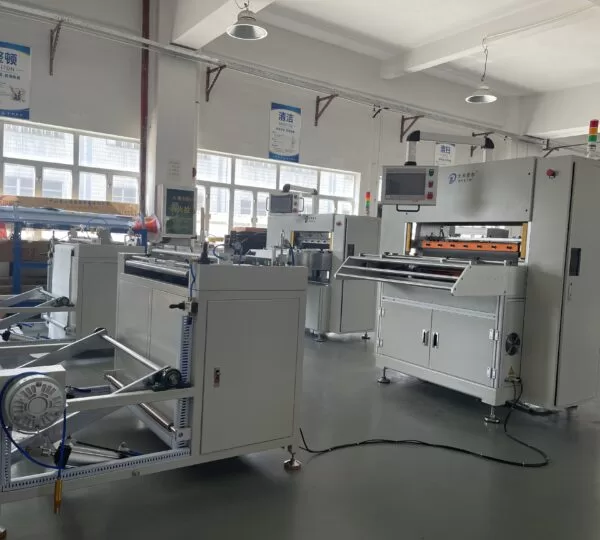
Improving Consistency and Quality with PLC-Controlled Systems
Maintaining product consistency and high quality is a significant challenge in textile manufacturing. Traditional pleating methods are highly dependent on operators’ skill and experience, leading to potential variations in pleat depth, spacing, and tension. These inconsistencies can result in defects, delays, and costly rework.
PLC-controlled pleating equipment ensures that each pleat is identical by continuously monitoring and adjusting key parameters. The PLC automatically controls fabric tension, pleat depth, and other critical aspects, making real-time corrections as needed. This continuous feedback loop ensures uniformity across large production runs.
By automating quality control, Manufacturers can rely on the system to deliver consistent results, reducing waste and improving the overall quality of pleated fabrics.
Reducing Labor Costs and Human Error
Labor costs are one of the most significant expenses in manufacturing. Traditional pleating systems often require skilled workers to manually adjust each batch, which can be time-consuming and prone to error. These errors can result in defective products, wasted materials, and costly downtime.
With PLC-controlled pleating equipment, much of the manual labor is eliminated. The PLC system automates critical functions, including adjusting pleat depth, fabric tension, and pleating speed. This automation reduces the reliance on skilled labor, enabling manufacturers to allocate their workforce to other tasks. Minimizing human error and the need for constant manual intervention significantly lowers labor costs and increases efficiency. Manufacturers can operate with fewer skilled workers and reduce the number of defects caused by human mistakes.
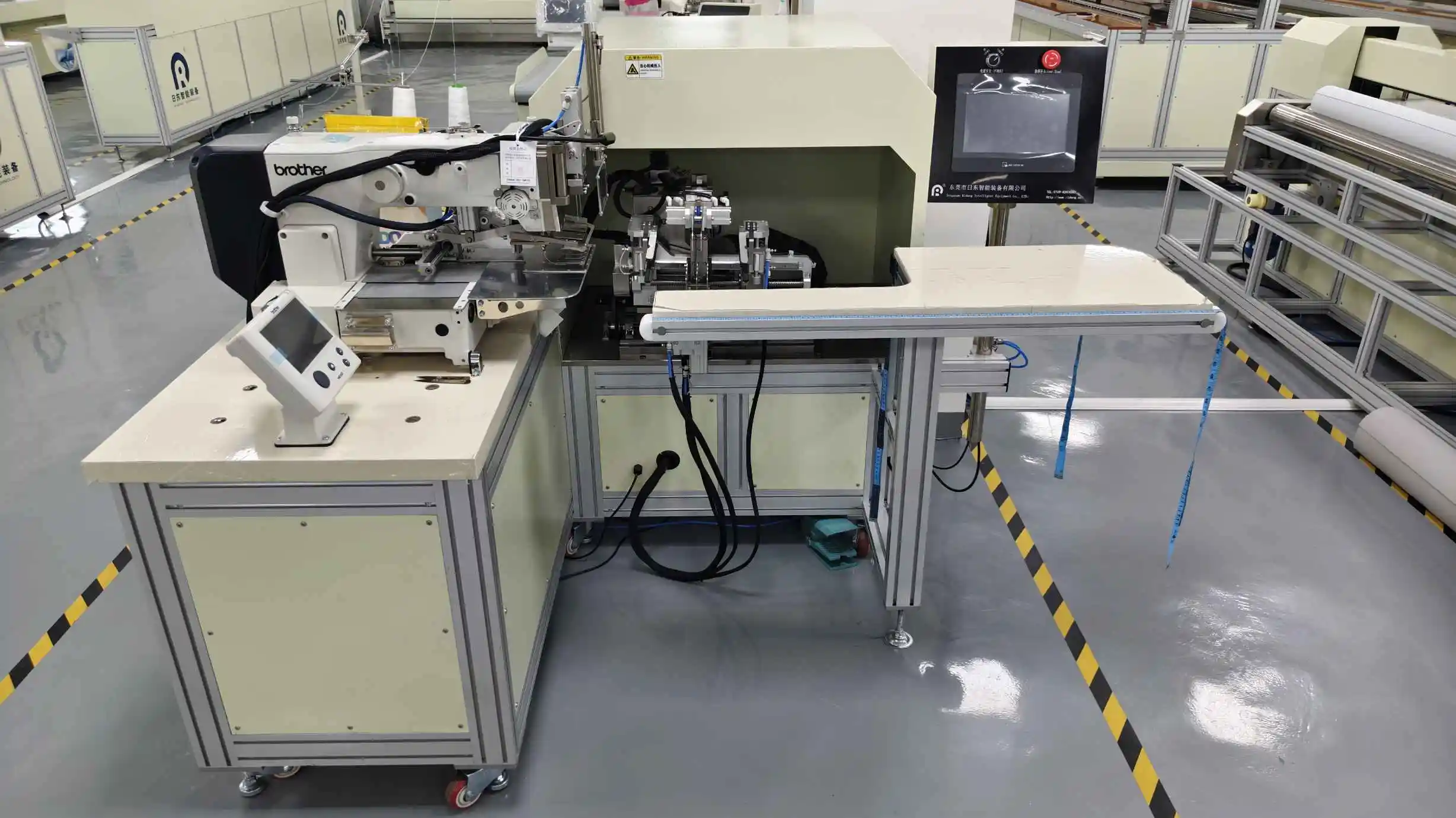
Flexibility and Customization with PLC-Controlled Pleating Equipment
Today’s textile industry requires flexibility to meet a wide variety of customer demands. Manufacturers need to quickly adapt to different pleating designs, fabric types, and production volumes. PLC-controlled pleating equipment offers exceptional flexibility, enabling operators to store multiple pleating patterns in the system’s memory.
This feature makes it easy to switch between designs without extensive setup time. Whether the order is for a custom fabric design or a large batch of pleated textiles, the system can be reprogrammed to meet the specific requirements of each job.
This flexibility is beneficial for industries that demand rapid turnaround times, such as fashion design and upholstery. The ability to quickly and efficiently customize pleating designs helps manufacturers meet varying customer demands and keep production lines running smoothly.
Long-Term Cost Savings and Return on Investment
While the initial investment may be higher than traditional systems, the long-term cost savings are significant. The automation provided by PLC systems reduces the need for manual labor, minimizes defects, and increases production speed, thereby reducing costs.
Additionally, has a longer lifespan than traditional machines due to its automated controls and fewer moving parts. This results in lower maintenance costs over time. The system’s ability to handle high-volume production without sacrificing quality further enhances its cost-effectiveness. In terms of return on investment (ROI), PLC-controlled pleating equipment delivers substantial returns by improving productivity, reducing waste, and cutting labor costs. Over time, the system pays for itself through increased output and higher-quality products.